
What to See at Auschwitz-Birkenau
A walkthrough of both sites — the original camp at Auschwitz I, the vast extermination grounds at Birkenau, and the key locations every visitor should understand.
Auschwitz I (main camp) and Auschwitz II-Birkenau (extermination camp), 3.5 km apart.
The gate, Block 11, Gas Chamber I, the railway ramp, and the International Monument.
Allow 3.5 hours minimum. Study tours run 6–8 hours for deeper coverage.
Free shuttle bus connects both sites for visitors on guided tours.
Top Highlights at Auschwitz
The most significant sites every visitor should see.
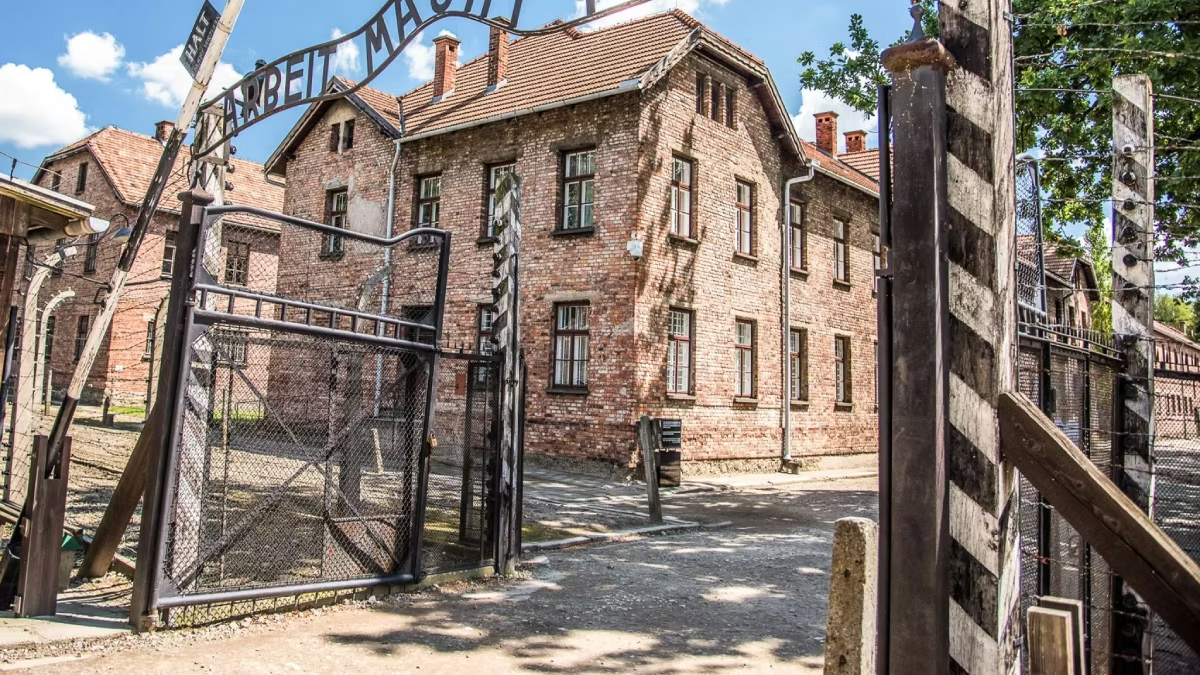
Auschwitz I Main Camp & Block Exhibitions
The original concentration camp featuring preserved prisoner barracks, the infamous ‘Arbeit Macht Frei’ gate, and powerful national memorial exhibitions documenting the lives and suffering of deportees.
Read more →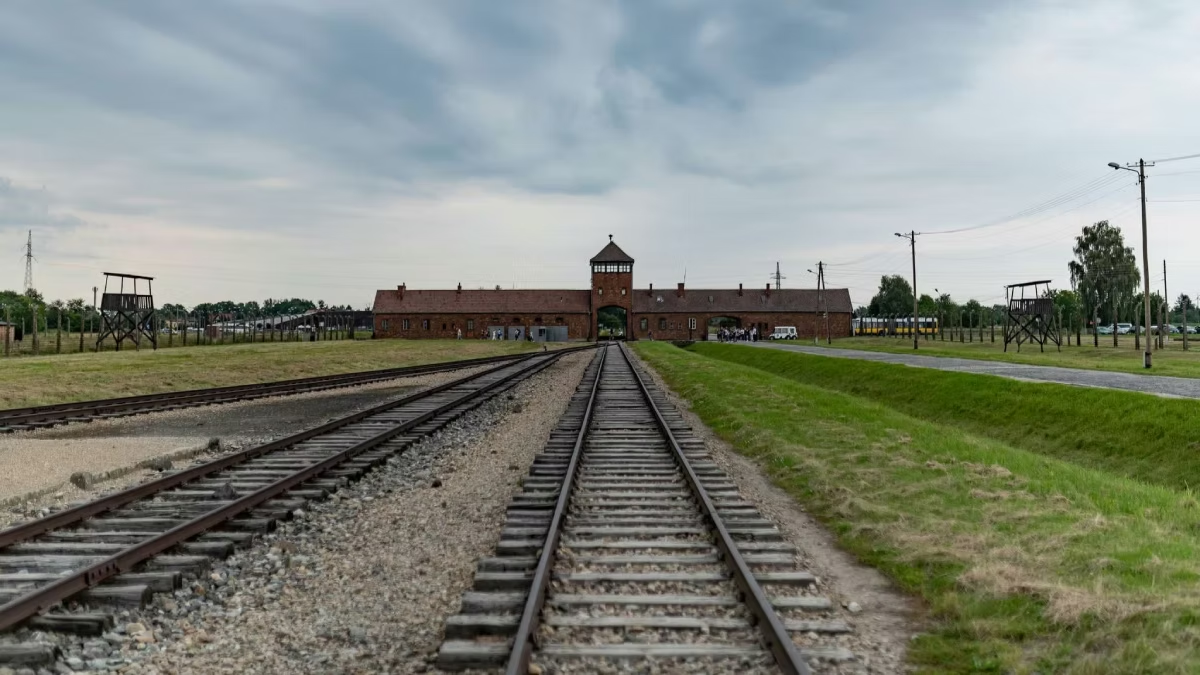
Birkenau (Auschwitz II) Memorial Grounds
The vast extermination camp where the ruins of gas chambers, the iconic railway gatehouse, and the International Monument to the Victims stand as stark reminders of the scale of the Holocaust.
Read more →Auschwitz I
The original camp — the gate, exhibition blocks, Death Block, and the first gas chamber.
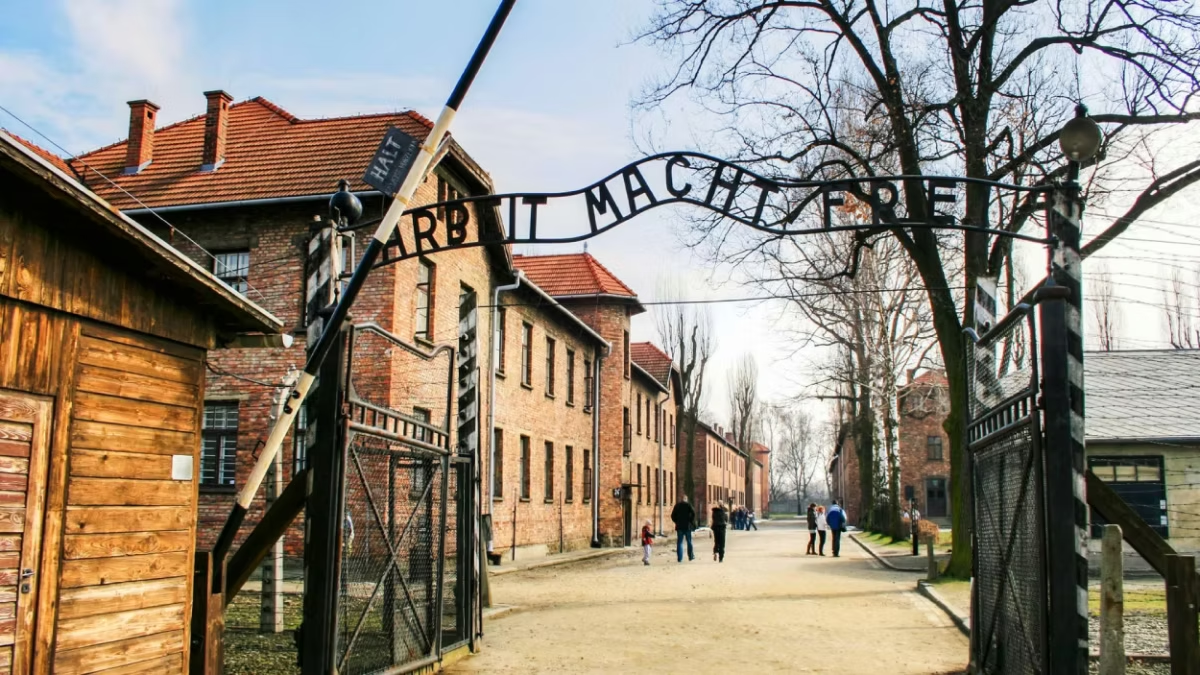
Auschwitz I: Complete Visitor Guide
Explore the original Nazi concentration camp, including the infamous Arbeit Macht Frei gate, Block 11 prison, gas chamber, crematorium, and museum exhibitions across 28 historic barracks.
Read more →
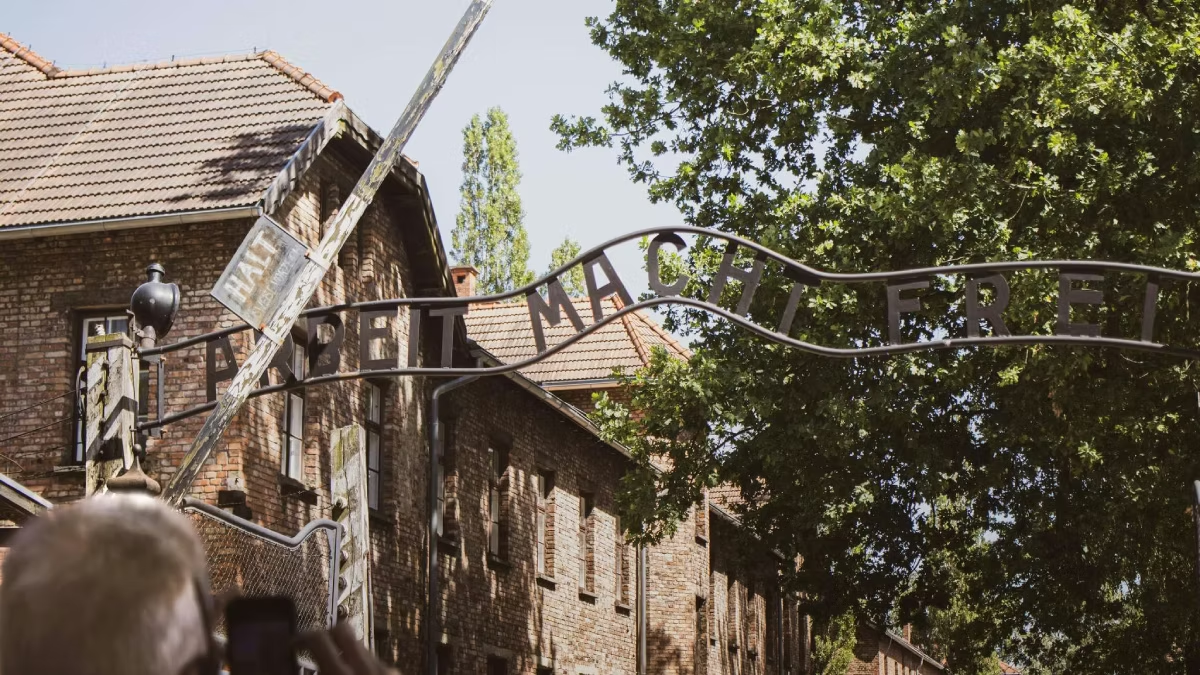
The 'Arbeit Macht Frei' Gate
The notorious entrance gate bearing its deceptive "Work Sets You Free" inscription stands as Auschwitz I's most recognized and emotionally powerful symbol of the Holocaust.
Read more →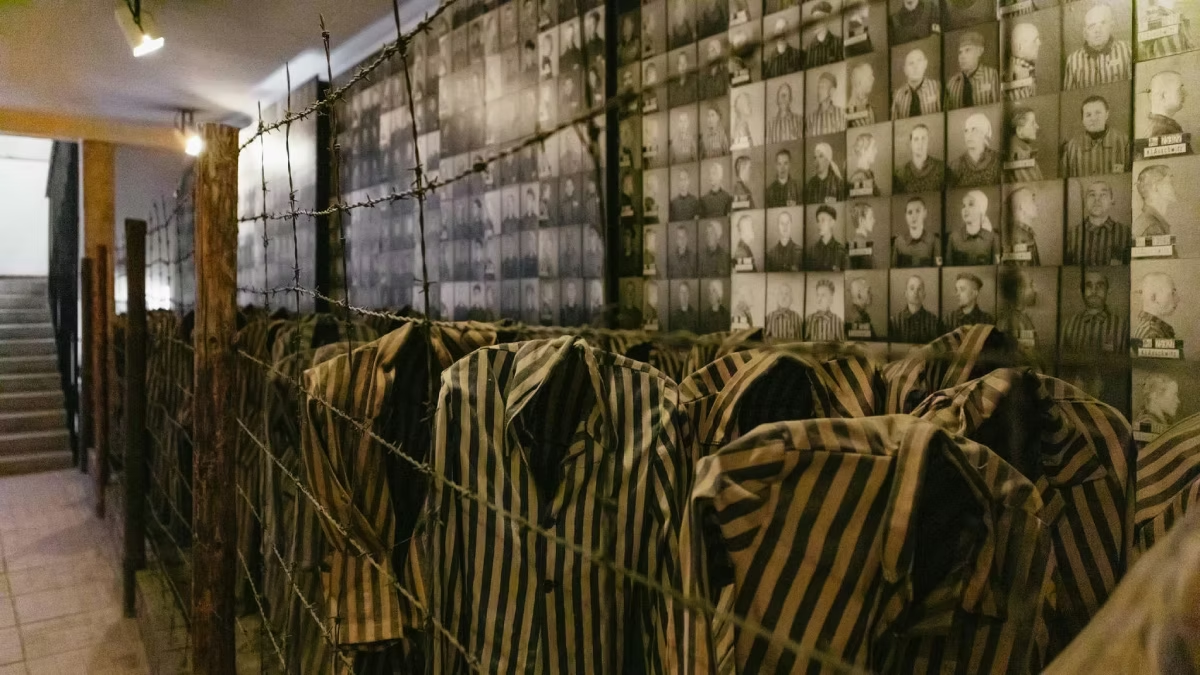
Block 11: The Death Block
Auschwitz I's most feared building served as an internal prison, housing standing cells, starvation bunkers, and the Death Wall where thousands were executed.
Read more →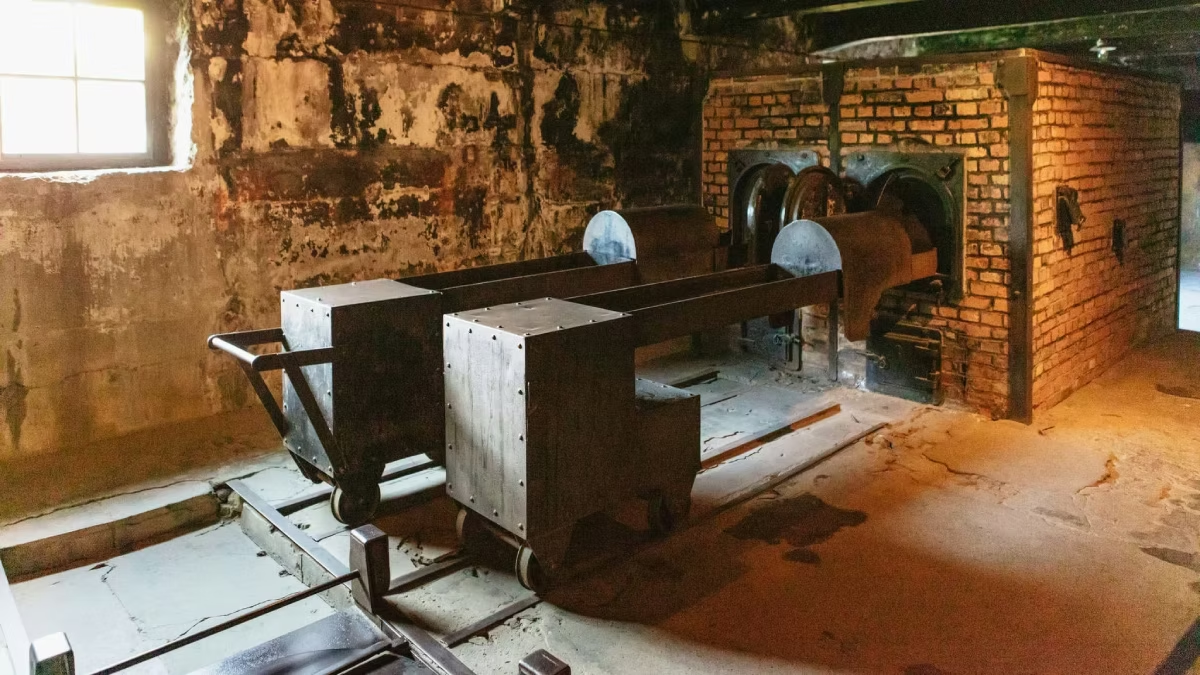
The Gas Chamber & Crematorium I
The first site where Zyklon B gas was tested for mass killing, this partially reconstructed crematorium at Auschwitz I prohibits interior photography.
Read more →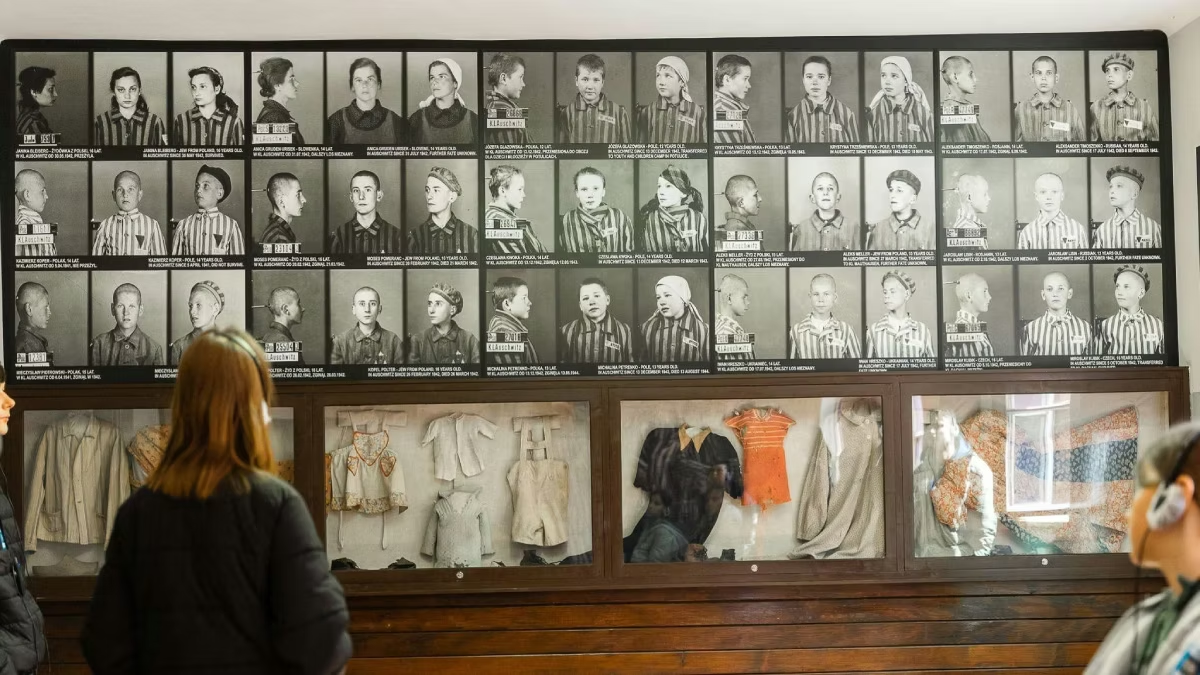
The Prisoner Exhibitions
Three permanent exhibition blocks display victims' personal belongings, identity photographs, and deportation records that document the systematic scale of murder at Auschwitz.
Read more →Auschwitz II
The extermination camp at Birkenau — railway ramp, gas chambers, barracks, and memorial.
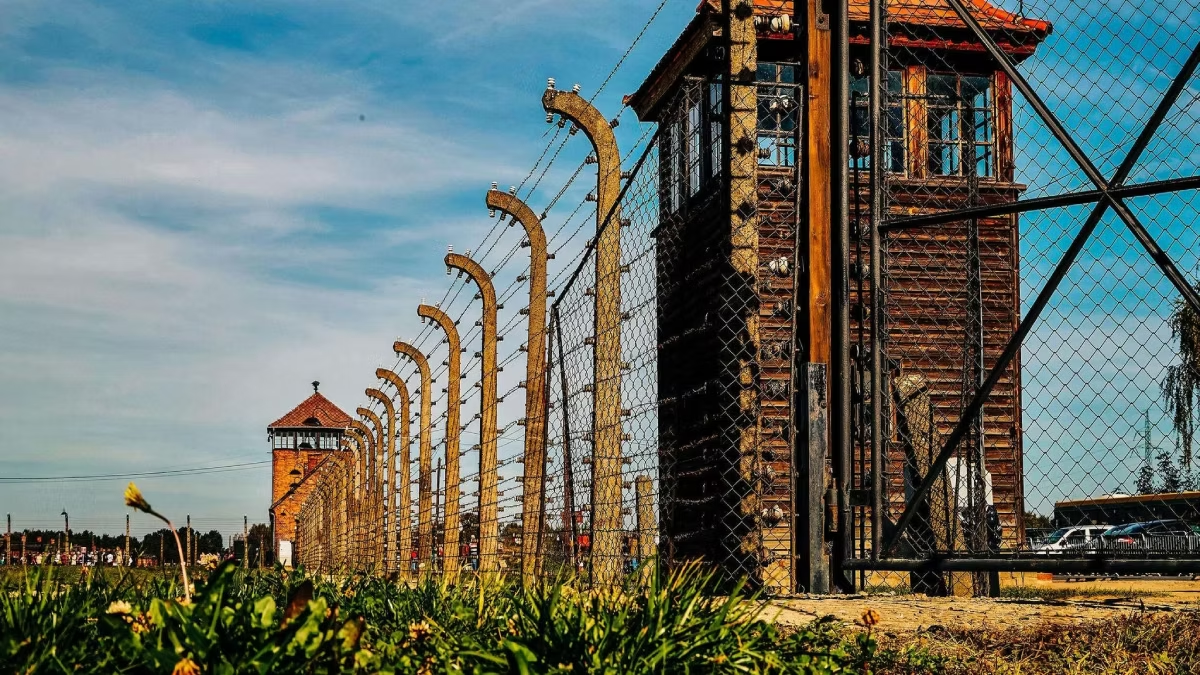
Auschwitz II-Birkenau: Complete Visitor Guide
A comprehensive guide to navigating Auschwitz II-Birkenau's vast site, from the iconic gatehouse and original railway ramp to the crematoria ruins and International Monument.
Read more →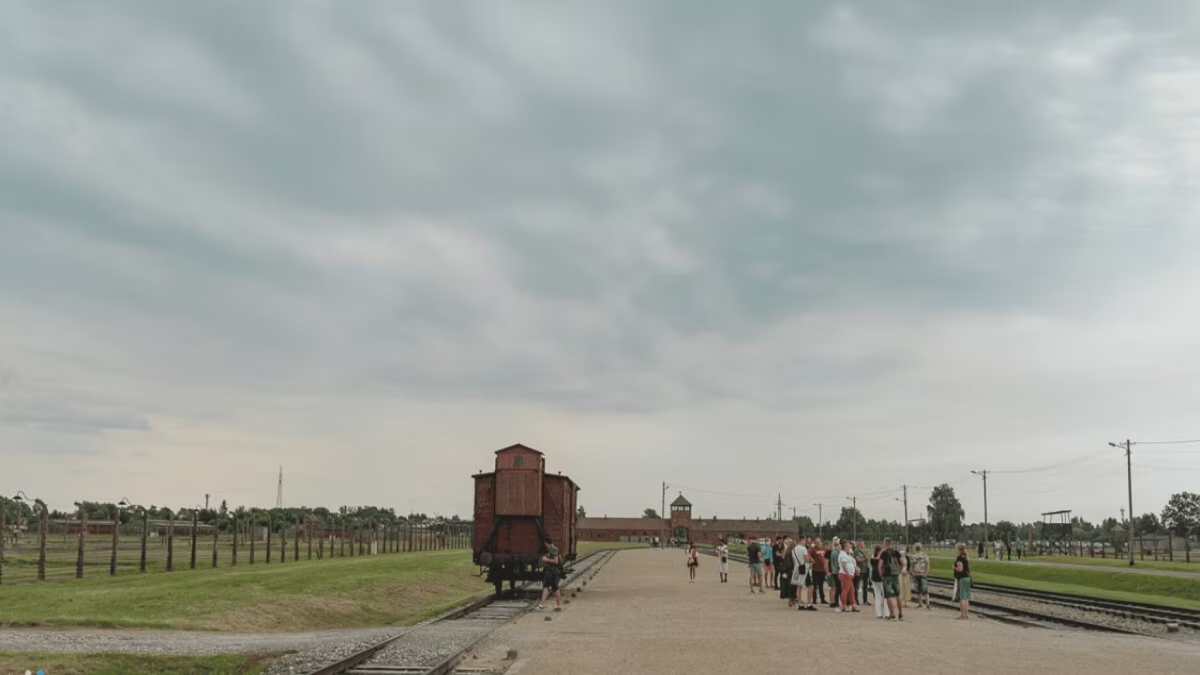
The Railway Ramp at Birkenau
The railway ramp at Birkenau is where over one million deportees arrived and faced the infamous selection process that determined their fate upon entry.
Read more →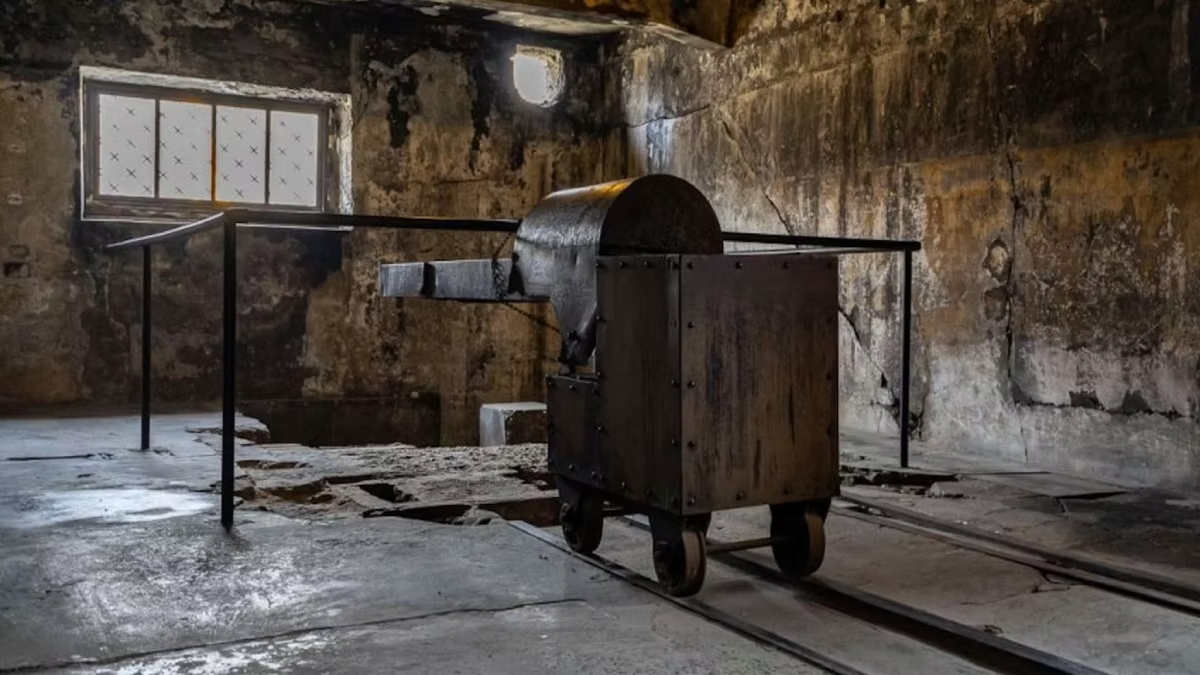
The Gas Chambers & Crematoria at Birkenau
Preserved ruins of Crematoria II–V stand alongside interpretive panels detailing their wartime operation and the SS's frantic last-minute attempt to destroy the evidence.
Read more →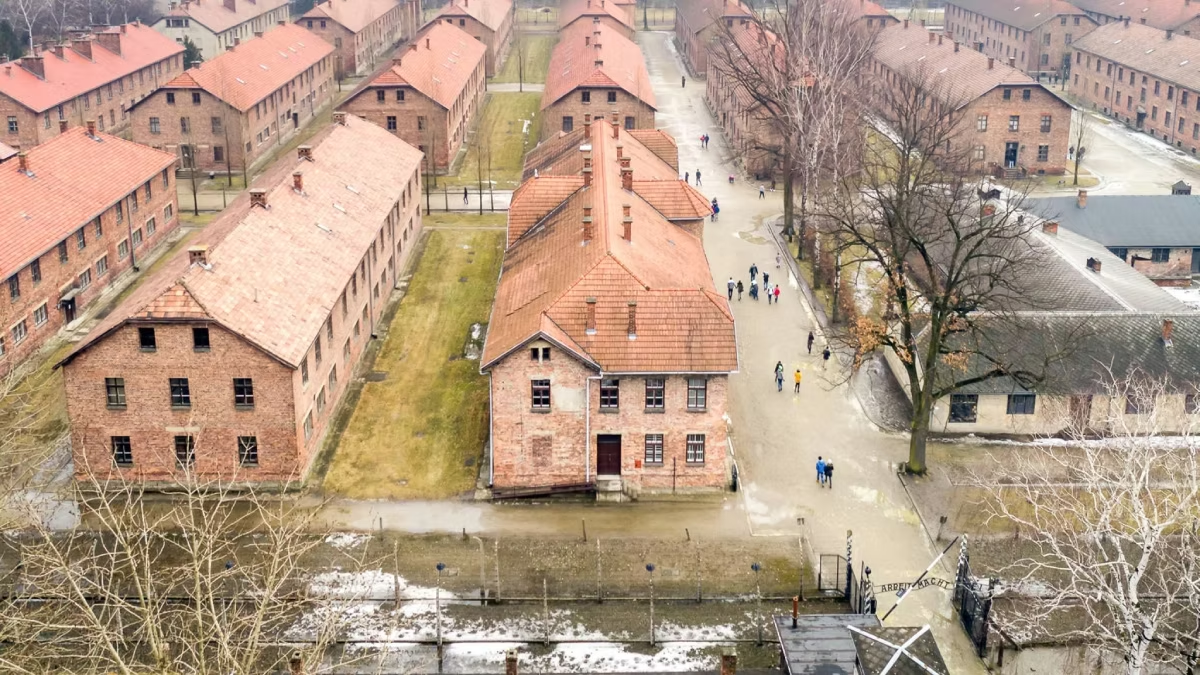
The Prisoner Barracks at Birkenau
Explore the preserved wooden horse-stable barracks where prisoners endured extreme overcrowding and brutal living conditions at the Auschwitz II-Birkenau camp.
Read more →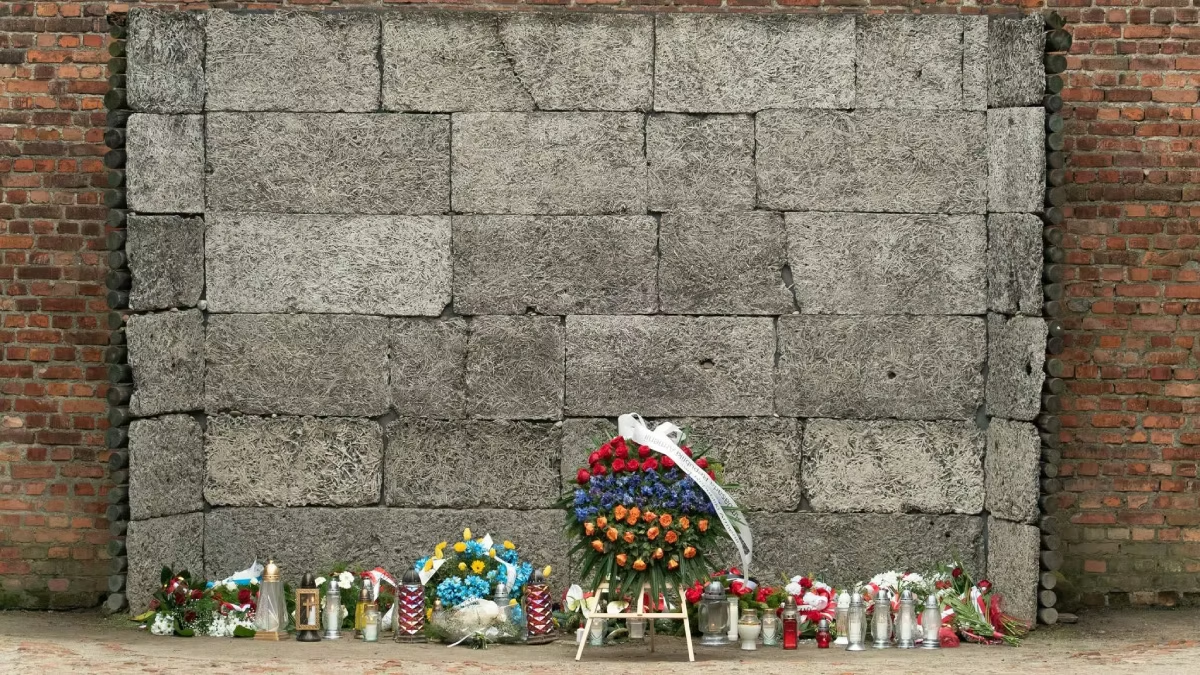
The International Monument to the Victims
Memorial at the back of Birkenau. Place of reflection. Inscriptions in 20 languages.
Read more →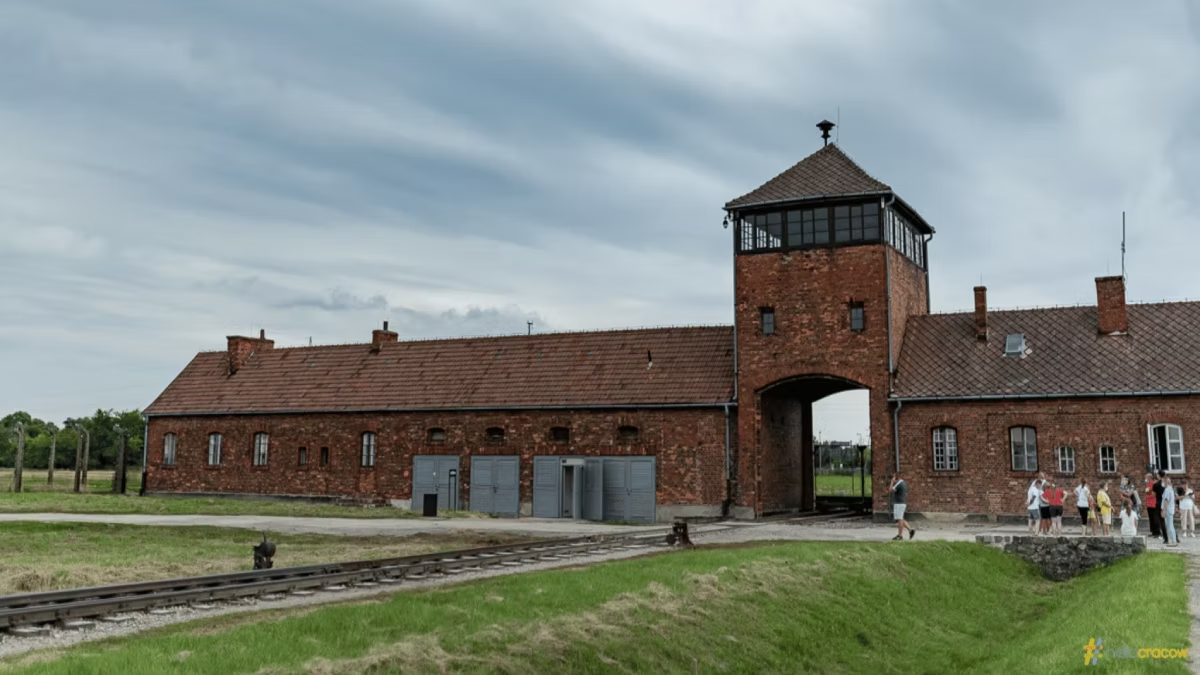
The Kanada Warehouses
The Kanada Warehouses were massive storage facilities where Nazi guards sorted and stored personal belongings confiscated from arriving prisoners, accessible only via guided study tours.
Read more →How to Choose What to See
A few simple ways to decide based on your timing, travel style, and budget.
If You Have Limited Time (2–3 Hours)
A focused visit can still be deeply meaningful if you know where to concentrate your attention.
- Prioritise Auschwitz I — the main camp, Arbeit Macht Frei gate, and Block 11 (the Death Block)
- Walk through at least one exhibition block to understand the scale of the crime
- See the gas chamber and crematorium at Auschwitz I, the only partially intact one on site
- Skip the full Birkenau walk if pressed for time — the perimeter and main gate still convey its vast scale
If You Want the Full Historical Picture
Auschwitz-Birkenau was two distinct sites with different functions — seeing both is essential for understanding how the system operated.
- Spend at least 4–5 hours across both Auschwitz I and Auschwitz II-Birkenau
- Walk the full length of Birkenau to the destroyed crematoria at the far end of the site
- Visit the international pavilions in Auschwitz I to understand the breadth of nationalities targeted
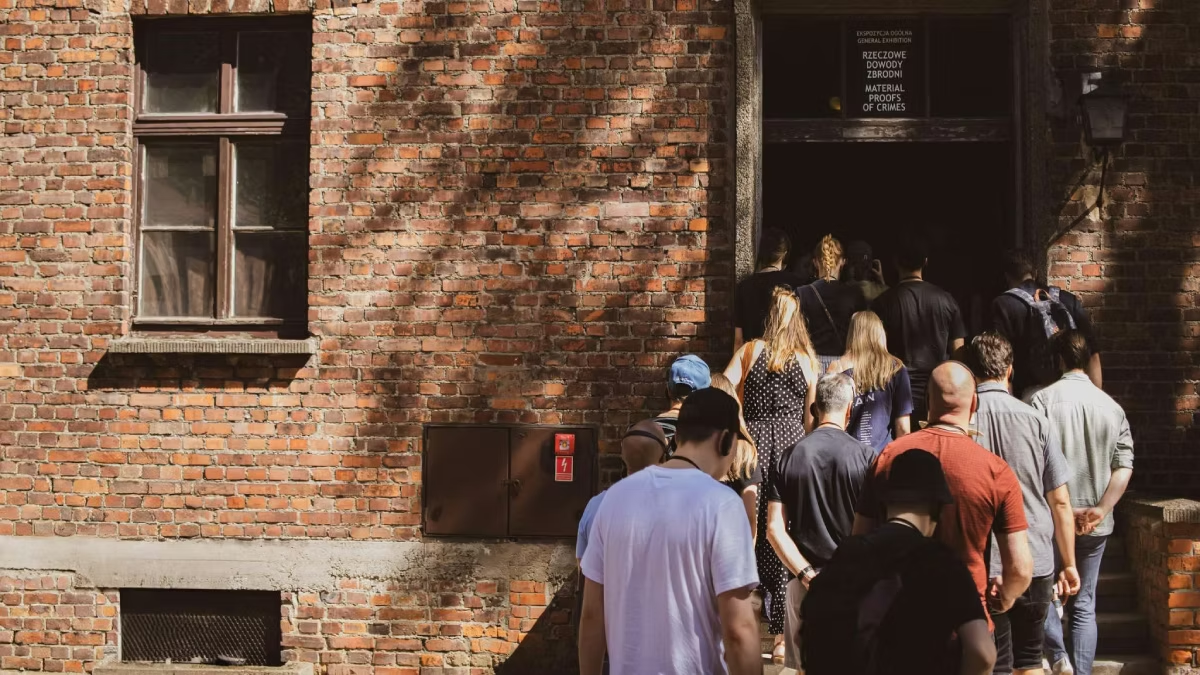
- Read Block 4 (Extermination) and Block 5 (Material Evidence of Crime) before entering Birkenau — it prepares you for what you’ll see
If You’re Visiting with Young People or a School Group
The site is appropriate for teenagers but benefits from structured preparation and pacing to avoid overwhelm.
- Confirm age appropriateness — the museum recommends visitors be at least 14 years old
- Use the dedicated educational tours designed for school groups, which frame content developmentally
- Start with Auschwitz I before Birkenau — the enclosed blocks are easier to process than the open field scale of Birkenau
- Build in time after the visit for quiet reflection; do not schedule intensive activities immediately afterward
If You’re Returning or Have a Specific Research Focus
Repeat visitors and researchers can go beyond the main circuits to access less-visited areas and archival resources.
- Request access to specific national pavilions not always open on standard tours (e.g., the Jewish, Roma, or Soviet pavilions)
- Visit the Auschwitz-Birkenau Memorial and Museum archive or contact the research centre in advance
- Walk the Birkenau women’s camp sector (BIa/BIb) separately from the main route — it is rarely crowd-free on standard tours
- Attend a commemoration event if your visit coincides with January 27 (International Holocaust Remembrance Day) or another memorial date
Practical Information
Quick-read guidance for scheduling, pacing, and general comfort during your visit.
Planning Your Route
Auschwitz-Birkenau covers two main sites 3 km apart, so plan your walking sequence carefully.
- Start at Auschwitz I (the main camp) where the gate, Block 11, and standing cells are located
- Birkenau (Auschwitz II) is larger and more exposed — visit second and budget at least 90 minutes there
- The shuttle bus between sites runs every 10–20 minutes and is free of charge
- Most visitors spend 3–4 hours total; rushing either site diminishes the experience
- Wear comfortable, flat shoes — the ground at Birkenau is uneven gravel and grass
Timing Your Visit
When you arrive affects crowd density and emotional atmosphere significantly.
- Opening hours vary by month — the site opens as early as 7:30 am in summer; arrive at opening to avoid tour groups
- Midday (11 am–2 pm) is the most crowded period, especially July–August
- Late afternoon visits (from 3 pm onward) are noticeably quieter in peak season
- The site is open every day except Christmas Day and New Year’s Day
- Guided tours are mandatory for the morning session (before noon) June through October
What to Bring
The site has limited facilities and strict rules about what you can carry inside.
- Large bags and backpacks must be left in the paid cloakroom at the entrance — bring only essentials
- Bring water; the site has few vending points and summer visits can be physically tiring
- Dress respectfully — no shorts, sleeveless tops, or uncovered heads are recommended inside memorial buildings
- Photography is permitted throughout except inside some barrack interiors — check posted signs
- Food and drink are not permitted inside the exhibition buildings or gas chamber ruins
Emotional and Practical Preparation
Auschwitz-Birkenau is one of the most emotionally intense sites in the world — prepare accordingly.
- Children under 14 are generally not recommended to enter without careful parental consideration
- Allow time after the visit to decompress — many visitors find the on-site café or quiet areas outside helpful
- Audio guides in multiple languages are available for self-guided visits and are worth using
- The memorial grounds are not suitable for those with severe mobility impairments — Birkenau in particular has no paved paths
- Memorial books and survivor testimonies are available in the bookshop near the exit for deeper context
Things to Know Before You Visit
Key reminders for a smooth visit.
Continue Exploring
Discover more about Auschwitz-Birkenau.
Plan Your Visit
Opening hours, what to wear, how to get there, and everything you need before you go.
Plan your visit →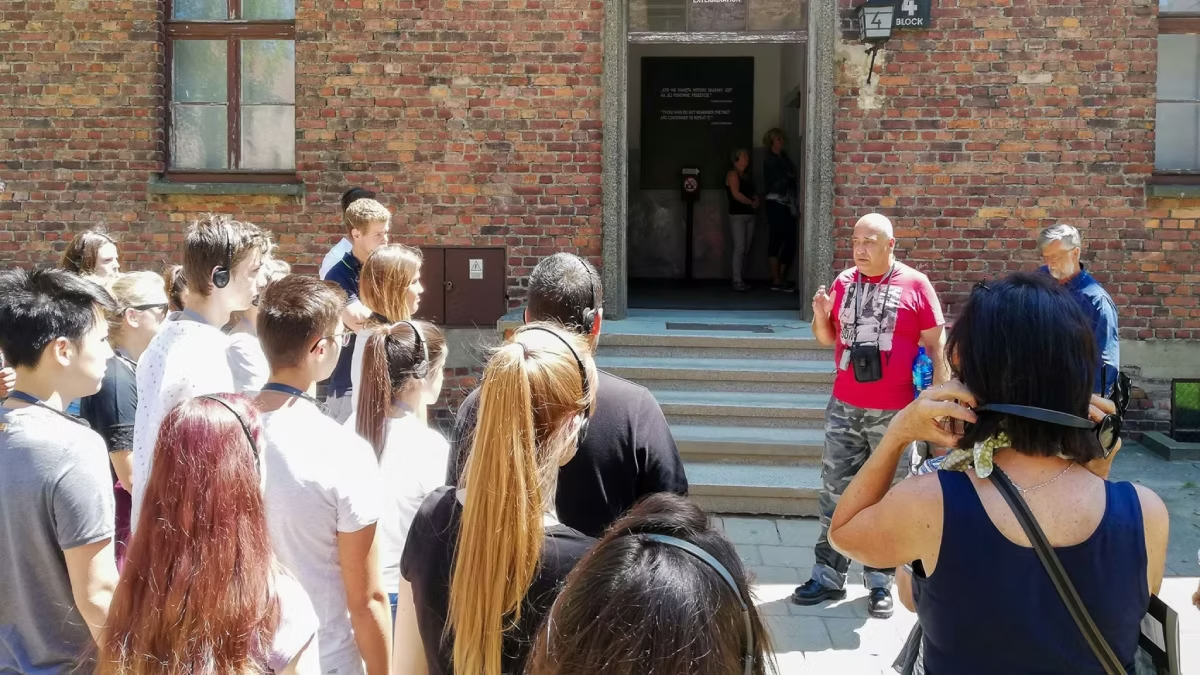
Tickets & Tours
Compare guided tours, transport options, and combo tickets from Kraków and beyond.
Explore ticket options →Frequently Asked Questions
Common questions about what to see.