
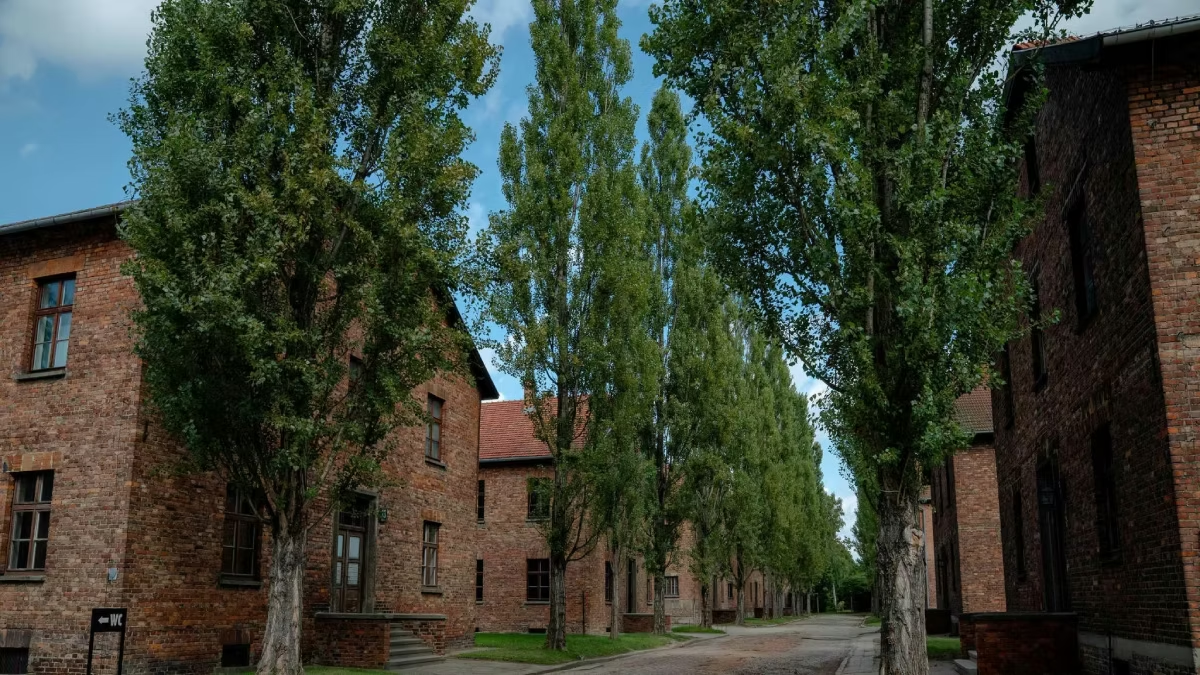
Where to Stay Near Auschwitz-Birkenau

Most visitors to Auschwitz-Birkenau stay in Kraków, approximately 70 km away, and make the trip as a day visit. This works well and is the most practical option for those combining Auschwitz with time in Kraków. For visitors who want to be closest to the site — and avoid an early morning journey — hotels in Oświęcim itself, 2–3 km from the museum entrance, are the best alternative. Staying the night before your visit, rather than arriving the morning of, makes a meaningful difference to the experience.
Choosing where to stay for a visit to Auschwitz-Birkenau involves a balance between convenience, experience, and the nature of the visit itself. This is not a typical tourism decision — the site you are visiting demands a level of care and intentionality that should shape your accommodation choice too.
Why Staying the Night Before Matters
The museum recommends arriving at least 30 minutes before your entry slot. For visitors coming from Kraków, this means leaving by 7:30–8:00am for a 10:00am entry. For those coming from Warsaw or further afield, it can mean departing before 6:00am.
Visiting Auschwitz-Birkenau after a rushed early start — particularly if you have also been navigating unfamiliar public transport — means arriving at one of the most emotionally demanding places in the world already tired and stressed. It is not the right way to begin.
Spending the night before in Kraków or Oświęcim means you can:
- Depart at a sensible hour and arrive at the museum rested
- Have adequate time at both Auschwitz I and Birkenau without watching the clock
- Give yourself space after the visit without needing to immediately race for a return train
This applies especially to visitors coming from Warsaw, Wrocław, or Prague. Read our respective transport guides for Warsaw, Wrocław, and Prague for context on the journey times involved.
Option 1: Staying in Kraków (Most Popular)
Kraków is the natural base for the vast majority of visitors to Auschwitz-Birkenau, and for good reason. It is one of the most beautiful cities in Central Europe — a medieval royal capital with a rich Jewish history, a magnificent main square (Rynek Główny), and a concentration of cultural, historical, and culinary attractions that reward several days.
Kraków is also exceptionally well connected internationally, with direct flights from across Europe and beyond to John Paul II Airport. See our airports guide for arrival details.
Getting to Auschwitz from Kraków:
From any hotel in central Kraków, the Lajkonik bus takes 90 minutes and drops you at the museum gate. The full transport guide from Kraków covers all options in detail.
Recommended areas to stay in Kraków:
- Old Town (Stare Miasto): The most central area, walking distance from the MDA bus station. Hotels range from boutique to international chains. The highest concentration of restaurants, cafés, and cultural sites.
- Kazimierz (Jewish Quarter): The historic Jewish district, now one of Kraków’s most atmospheric neighbourhoods. Slightly further from the bus station but rich in history directly relevant to the context of an Auschwitz visit.
- Podgórze: Across the river from Kazimierz, home to the Schindler Factory Museum. A quieter base, slightly removed from the main tourist centre.
Option 2: Staying in Oświęcim (Closest to the Site)
For visitors who want to be as close as possible to Auschwitz-Birkenau — perhaps those for whom the visit is a personal or family pilgrimage, or those with a very early entry slot — staying in Oświęcim itself puts you 2–3 km from the museum entrance.
Oświęcim is a small Polish industrial town with a population of around 40,000. It is not a tourist city, and it is important to approach a stay here with that understanding. The town has its own pre-war Jewish history that is deeply relevant to the history of the camp, and the Auschwitz Jewish Centre — located in the town’s former Jewish quarter — is a genuinely worthwhile visit in its own right.
Accommodation in Oświęcim:
Several hotels and guesthouses operate in and around Oświęcim, within walking distance or a short taxi ride of the museum. The main car park area near the museum also has a café and facilities immediately adjacent.
Practical advantage: A stay in Oświęcim means you can walk to the museum entrance in 20–30 minutes, or take a short taxi. There is no early morning transport to manage.
Option 3: Staying in Katowice
Katowice, approximately 40 km from Auschwitz-Birkenau, is a solid alternative base particularly for visitors flying into Katowice Pyrzowice Airport. The city has a good range of accommodation at competitive prices, and the drive to Auschwitz takes 35–45 minutes.
Katowice is not a city most international visitors would choose purely for its own attractions, but it is a practical, affordable, and well-connected base that works well as a single-night stop before the visit.
The guided tour from Katowice includes pickup from Katowice hotels, making it a particularly seamless option if you are basing yourself there.
After Your Visit: Giving Yourself Time
A visit to Auschwitz-Birkenau is emotionally demanding in ways that most visitors underestimate. Wherever you are staying, it is worth building in time after the visit to decompress — not rushing straight from Birkenau onto a bus, a train, or a flight.
If you are staying in Kraków, the evening after your visit is often best spent quietly — a walk along the Vistula, time in one of Kazimierz’s calmer restaurants, or simply sitting with what you have seen. Our after your visit guide includes suggested reading and resources for continuing to engage with the history in the days that follow.
Frequently Asked Questions
Where do most people stay when visiting Auschwitz?
The majority of visitors to Auschwitz-Birkenau stay in Kraków, approximately 70 km away, and visit as a day trip. Kraków is well-connected internationally, offers a wide range of accommodation, and is one of the most rewarding cities in Europe to spend several days. Visitors who want to be right next to the site can stay in Oświęcim, which has several hotels within a short distance of the museum.
Is it better to stay in Kraków or Oświęcim for Auschwitz?
For most visitors, Kraków is the better base — it offers far more in terms of accommodation choice, restaurants, and other attractions, while still being an easy 90-minute journey to the museum. Oświęcim is the right choice for visitors making the visit the sole purpose of their trip, those with very early entry slots, or those for whom the visit has a particularly personal significance.
How far is Kraków from Auschwitz-Birkenau?
Approximately 70 km by road, taking around 80–90 minutes by car or the direct Lajkonik bus. By public bus, the Lajkonik service drops you directly at the museum gate after 90 minutes from Kraków’s MDA bus station.
Can I visit Auschwitz on a day trip from Kraków?
Yes — this is what most visitors do. The Lajkonik bus, PKP train, and organised guided day tours all make it straightforward. For a standard 3.5-hour guided tour, a day trip from Kraków requires approximately 6.5–7.5 hours in total including travel. Read our full getting to Auschwitz from Kraków guide for all transport options.
Is Oświęcim worth visiting beyond Auschwitz?
Yes. Oświęcim has its own Jewish history that predates and is deeply connected to the history of the camp. The Auschwitz Jewish Centre — located in the pre-war Jewish quarter of the town — documents the Jewish community that existed here before 1939 and provides important context for the camp’s history. It is a genuinely worthwhile addition to a visit, particularly for those staying overnight in the town.
